With MLB issuing a league wide shut down, one aspect that doesn’t get the attention it deserves are the fates of of its roughly 6,500 minor league players across their 244 Minor League clubs. During a given season there will be between 7,500 to 8,000 players from the Major to the Minor League level at a given time. That leaves about 81% of players who will be wondering when they will see their next paycheck.
Peter Bayer is a Minor League pitcher in the Oakland Athletics Organization, but since Thursday’s shutdown, he will not be getting paid by them. This has forced Bayer to find new income by delivering food for DoorDash. On Thursday night, Bayer made $62 in two hours, that’s more than the A’s have paid him since August. Bayer made his way into crowded restaurants in order to pick up and deliver it to customers. In an attempt to protect its players from the virus, they may have made it more likely for a player to contract it. Bayer understands the risks of going into crowded restaurants and delivering food to people, but it is a risk he has to take in order to earn a paycheck.
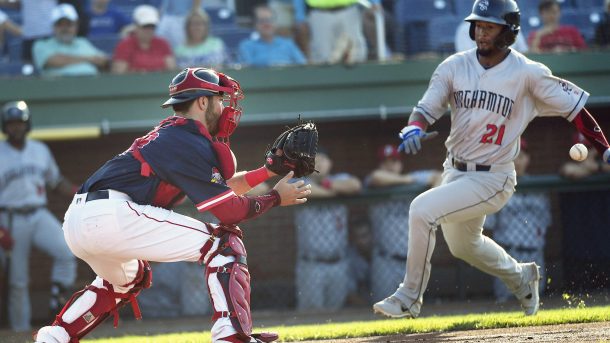
Minor League salaries have always been a debated topic. For people who don’t know many Minor Leaguers make most of their money working part-time jobs in the offseason. For example, Bayer signed with the Rays in 2016 as a senior out of Cal Poly Pomona for $7,500. This was in the ninth round, which would have carried a slot value of around $160,000. Being a senior in college, Bayer had no leverage to negotiate with the Rays organization. It was either you take the money and have a place to continue playing, or good luck in the real world. Players drafted out of high school have more leverage when negotiating signing money because they can turn it down, head to college, and potentially get paid more down the road. Organizations can either offer more money or leave with a wasted pick. A college senior doesn’t have the luxury to do so and any ball player who wants to live out their dream will take a pack of bubble gum for an opportunity to play at the next level. Last year in High A ball with the Stockton Ports, from April to August, Bayer earned around $1500 a month, all before taxes. It is important to note that these players do not get paid in spring training training either. Oh and he owed about $200 a month in clubhouse fees as well. When it was all said and done, Bayer came out with about $6,200 for the year to cover his housing, food, car payment and student loans. Bayer intended to stop delivering for DoorDash once the season started, but as of now, we have no idea when that will be. On Friday the A’s organization told their minor league players to head home until further notice. Bayer will head back home to try and work at an indoor baseball facility, but there is the question as to if that would even be open.
Pete Bayer is one of many players facing this issue across the country. I thought this quote from a Minor League player, who wished to remain anonymous, really put their situation into perspective. These Minor League players are in a kind of limbo at the moment. They are being sent home and expected to find an income, when in reality it isn’t that easy. It’s extremely hard to tell a job employer that you may have to leave at any given notice to go back and join your previous employer. You can’t file for unemployment because you are still under contract with your previous company. And on top of all this, your previous company wants you to continue to get your work in and be in shape for your when you return. It truly is an unfair situation and these players are just looking for a little bit of help from these organizations to get through it. It’s unfortunate that it takes a pandemic for people to realize just how Minor League players are treated. For now the roughly 6,500 minor league players will continue to grind and find a way to push forward because they’re no strangers to adversity.
 The Washed Up Athlete